

Page contents
1st annual Brainstorming day
Let’s join forces, share ideas, and shape innovative solutions, for the materials of the future, together!
Be actors for a better future: come to brainstorm with HiFunMat members to create emerging projects to address societal questions!
We invite all members , whether or not working on one of this years' themes, to join our brainstorming sessions and take part in this unique event dedicated to interdisciplinary, collaborative research around pressing societal challenges.
Whether or not your current research focusses on PFAS, Energy Storage Systems, or Infection control and prevention, your expertise could open new paths forward.
Do you have an idea that could benefit from new collaborations? Are you exploring materials, mechanisms, or analytical tools that might contribute? Or simply curious how your skills could help restore environmental health , contribute to the energy transition , or shape healthier futures ? Join us to exchange ideas, spark collaborations, and envision responsible materials and technologies of the future together.
Every field has something valuable to contribute to a better world !
Date | 17 February 2026
Place | Institut Charles Sadron - Salle de conseil
Registration free but mandatory, one or multiple sessions : follow link
Goal
Spark innovative & interdisciplinary project ideas by combining expertise and perspectives.
Collaborate
No preparation required - just bring your curiosity, ideas and willingness to engage in open, constructive discussion.
Program
09h30 - 11h45 | PFAS RETHINKING MATERIALS FOR A SUSTAINABLE FUTURE
11h45 - 12h45 | Lunch buffet
12h45 - 15h00 | ENERGY STORAGE SYSTEMS
15h00 - 15h15 | Coffee
15h15 - 17h30 | INFECTION CONTROL AND PREVENTION

Call for projetcs
HiFunMat wishes to encourage and support the emergence of new collaborative, innovative, and interdisciplinary research approaches addressing societal challenges related to the themes of the ITI HiFunMat (innovative materials for energy, environment, and health).
Financial support is available to i) enable partners to validate a concept, foster innovation, and obtain or strengthen preliminary results, with the aim of eventually responding to national and/or international calls for projects, and to ii) support collaborative actions, training, and skill development for researchers involved in interdisciplinary projects.
Application files
- AAP 2026-2028 Fiche d'instruction
- 2026 Interdisciplinary Master activities
- 2026 Interdisciplinary Research activities
Agenda
December 01, 2025: Opening of the AAP 2026.
February 17, 2026: Brainstorming day
May 11, 2026 at 5 pm: Deadline to submit of the complete applicationfile.
June 2026: Jury
July 2026: Notifications and transfer of credits
July - December 2026: Recruitment period for Master interns
January 2027: Start of projects
PFAS - Rethinking Materials for a sustainable futur
Since the 1950s, PFAS have contaminated every part of our environment water, air, soil, sediments, and living organisms. Their persistence poses serious risks to human health, and ecologically, PFAS contribute to ecosystem imbalance, hinder product recyclability, and may even impact global warming and ozone depletion. The need for innovative strategies is urgent.
Which techniques could help eliminate or degrade PFAS from soils, water, and organisms? How might we detect them more efficiently? How to replace them, or redesign them to limit harm and/or reduce their lifetimes?
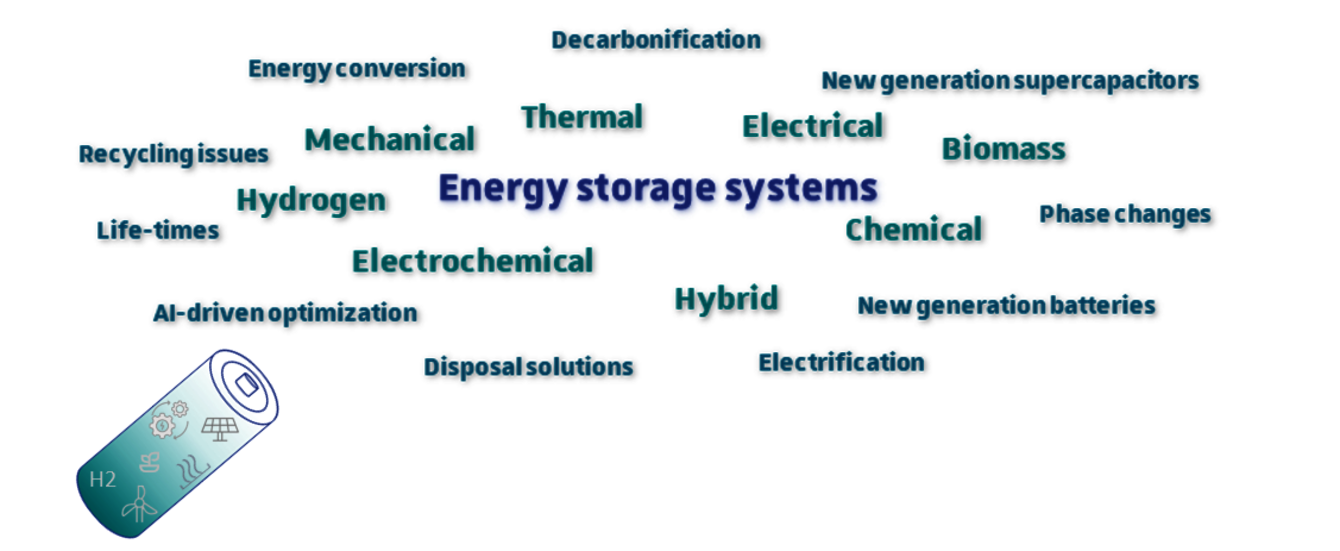
Energy Storage Systems
Net-zero emission is the global objective to ensure the long-term sustainability of ecosystems and human societies, and energy storage systems play a crucial role in overcoming the intermittent nature of renewable energy sources and enhancing the flexibility, resistance and reliability of power grids.
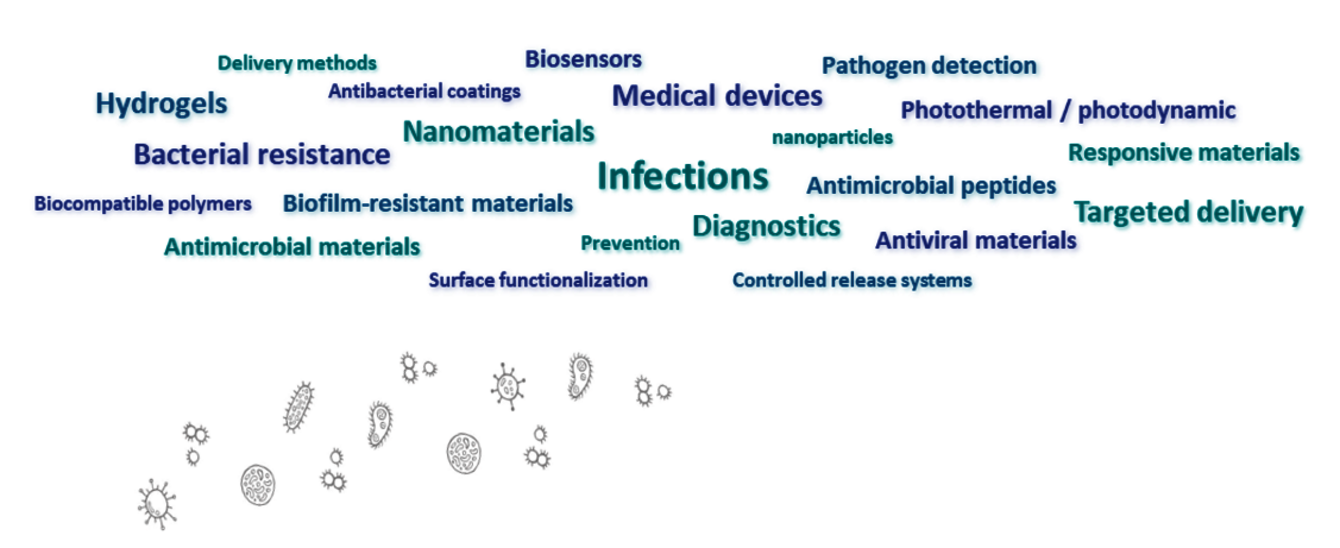
Infection control and prevention
Infectious diseases — viral or bacterial — place a heavy burden on healthcare systems, consuming vital resources, prolonged hospital stays, and straining medical staff. Beyond the clinic, outbreaks disrupt economies, education, and daily life. The rise of antimicrobial resistance further underscores the urgent need for innovative prevention and control strategies.