Download here the MSc internship subjects proposed in 2025-2026
Download here the MSc internship subjects proposed in 2024-2025
Download here the MSc internship subjects proposed in 2023-2024
 &
&
 Funded under the Excellence Initiative program &

Download here the MSc internship subjects proposed in 2025-2026
Download here the MSc internship subjects proposed in 2024-2025
Download here the MSc internship subjects proposed in 2023-2024
Rules to choose your internship:
How to find your internship?
Looking for a M1 internship? New subjects will be posted all along August - October 2026. Do not hesitate to look at the M2 internship subjects as well. Sometimes they can be adapted for M1 students.
Nanotubes with controlled diameters
Laboratory and supervisor: ICS, Philippe Mesini & Jérôme Combet
Student profile: material science and engineering, chemistry & physics
Study of peptide-based hydrogels for the creation of synthetic skin models
Laboratory and supervisor: ICS, Jennifer Rodon-Fores
Student profile: material science and engineering & chemistry
Looking for a M2 internship? New subjects will be posted all along August - October 2026
Development of an innovative process for the decontamination and recovery of PFAS using catalysts based on iron oxide nanostructures deposited on biochar: inductive heating, fluorine capture and circular economy
Laboratory and supervisor: ICPEES, Thierry Dintzer & IPCMS, Benoît Pichon
Student profile: material science and engineering
Synthesis of self-immolative polymers
Laboratory and supervisor: ICS, Delphine Chan-Seng
Student profile: chemistry
Synthesis of thermoresponsive comb polymers
Laboratory and supervisor: ICS, Delphine Chan-Seng
Student profile: chemistry
LED-driven methodologies involving arylthioxanthonium salts for the formation of carbon–carbon and carbon–heteroatom bonds (C–P, C–S, etc.)
Laboratory and supervisor: IS2M, Jean-Michel Becht
Student profile: chemistry
Possible for M1 students
Potentially lead to an application for a PhD position
Deep Eutectic Solvents for the preparation of Covalent Organic Frameworks
Laboratory and supervisor: Synthesis and Functions of Molecular Architectures (UMR 7140), Stéphane Baudron & ICPEES, Benoît Louis
Student profile: material science and engineering & chemistry
Possible for M1 students
On-line evaluation of PFAS release due to the degradation of Nafion® membrane and PTFE for Hydrogen Production and Utilization Technologies
Laboratory and supervisor: ICPEES, Olivier Bardagot & Tristan Asset & Maurice Millet & ICS, Alexei Filippov
Student profile: material science and engineering
Project funded by AAP MasterID HiFunMat
Organic electrochemical transistors (OECT) as sensors for continuous monitoring of glyphosate pollutant in water
Laboratory and supervisor: ICPEES, Olivier Bardagot & Patrick Lévêque
Student profile: material science and engineering, chemistry & physics
Possible for M1 students
Project funded by another AAP
Host–Guest Interactions between Metal Catalyst Complexes and Resorcinarene
Capsules
Laboratory and supervisor: Equipe SFAM, UMR 7140, Sylvie Ferlay & Institut de Chimie UMR 7177, David Sémeril
Student profile: chemistry
Possible for M1 students
Effects of progressive confinement on the photophysical properties of dual‑state emission fluorophores: from solution to electrospun nanofibers
Laboratory and supervisor: ICPEES, Carlotta Figliola et Émeline Lobry
Student profile: material science and engineering & chemistry
Synthesis of Semiconducting Conjugated Polymers for PFAS Detection
Laboratory and supervisor: IPCMS, Stéphane Mery, ICPEES, Nicolas Leclerc & Olivier Bardagot & ICube, Patrick Lévêque
Student profile: material science and engineering & chemistry
Project funded by AAP MasterID HiFunMat
Clathrates Based on Redox-Active Ligand
Laboratory and supervisor: Equipe SFAM, UMR 7140, Sylvie Ferlay
Student profile: material science and engineering & chemistry
Possible for M1 students
Multielectron transfer molecular species for energy storage devices
Laboratory and supervisor: Equipe SFAM, UMR 7140, Sylvie Ferlay
Student profile: chemistry
Possible for M1 students
Nanotubes with controlled diameters
Laboratory and supervisor: ICS, Philippe Mesini & Jérôme Combet
Student profile: material science and engineering, chemistry & physics
Possible for M1 students
Chronic Wound dressing, a self-defensive injectable antibacterial hydrogel/foam
Laboratory and supervisor: ICS, Jennifer Rodon-Fores
Student profile: material science and engineering & chemistry
Confined active matter: Optical trapping of an active Janus colloid
Laboratory and supervisor: ICS, Antonio Stocco & Rémi Goerlich
Student profile: material science and engineering, chemistry & physics
Possible for M1 students
Design of Earth Abundant Metal Oxide Nanofibers via Polymer Electrospinning as Advanced Fenton Catalysts for PFAS Degradation
Laboratory and supervisor: IPCMS, Benoît Pichon & ICPEES, Emeline Lobry
Student profile: material science and engineering & chemistry
Possible for M1 students
Potentially lead to an application for a PhD position
Synthesis of porous materials for envionmental applications
Laboratory and supervisor: IS2M, Emmanuel Oheix & Andrey Ryzhikov
Student profile: material science and engineering & chemistry
Potentially lead to an application for a PhD position (ANR)
Characterization of the Phase behaviour of a mixture of a semi crystalline polymer and a semi-flexible polyelectrolyte as a function of the degree of hydration. A confocal microscopy and XR study.
Laboratory and supervisor: ICS, Tatiana Schmatko
Student profile: material science and engineering
Development and characterization of biomaterials for laser-induced photothermal writing
Laboratory and supervisor: IS2M, Céline Molarino
Student profile: material science and engineering
Grafting Polylactic acid onto FeMn Alloy for the Preparation of Bioresorvable Prostheses
Laboratory and supervisor: IPCMS, Carrado Adèle & Stéphane Mery & IS2M, Karine Mougin & Clausthal Univ. Germany, Heinz Palkowski & Ljubliana Univ. Slovenia, Primoz Mrvar
Student profile: material science and engineering & chemistry
Possible for M1 students
Spatially resolved pH determination in photoelectrochemical reactions
Laboratory and supervisor: ICPEES, Thomas Cottineau & Tristan Asset & Julien Massue
Student profile: material science and engineering & chemistry
Transient Absorption Spectroscopy for operando charge carrier measurements during PhotoElectroChemical water splitting
Laboratory and supervisor: ICPEES, Thomas Cottineau & IPCMS, Stefan Haacke
Student profile: material science and engineering & chemistry
Hydrophobic ZIFs for mechanical energy storage
Laboratory and supervisor: CMC - SFAM, Sylvie Ferlay & IS2M, Gérald Chaplais
Student profile: material science and engineering & chemistry
Possible for M1 students
Development of Organic TADF Emitters Based on Dibenzoylmethane-BF2 Complexes
Laboratory and supervisor: IPCMS, Anthony D’Aléo & Emilie Deprez & Loïc Mager
Student profile: material science and engineering & chemistry
Possible for M1 students
New Strategies for Controlling the Excited-State Properties of BF₂ Organic Emitters
Laboratory and supervisor: IPCMS, Anthony D’Aléo & Amandine Coron & Loïc Mager
Student profile: material science and engineering & chemistry
Possible for M1 students
Self-assembly of architected materials towards intelligent soft robots
Laboratory and supervisor: ICS, Aurélie Hourlier-Fargette & EPICUR network SMILE - Univsersity of Amsterdam, Antoine Deblais & University of Freiburg, Edoardo Milana & Southern Denmark University, Ahmad Rafsanjani
Student profile: material science and engineering & chemistry
Porous magnetic core@shell nanomaterials for the delivery of Pt complexes in anticancer treatments
Laboratory and supervisor: IPCMS, Damien Mertz & Stéphane Bellemin-Laponnaz
Student profile: material science and engineering & physics
Designing of recyclable polymer networks for CO2 capture
Laboratory and supervisor: ICS, Alexandre Adam
Student profile: material science and engineering & chemistry
Organic Electrochemical Transistor Development for High-Sensitivity PFAS Sensors for Water Quality
Laboratory and supervisor: ICPEES, Olivier Bardagot & Tristan Asset & Maurice Millet, CMC Aljosha Filippov
Student profile: material science and engineering & chemistry
Structural analysis of colloidal titanate ribbons and their self-assembly and organization upon drying
Laboratory and supervisor: ICS, Doru Constantin & Jérôme Combet & Guillaume Feith
Student profile: material science and engineering & physics
Potentially lead to an application for a PhD position
Solar-Driven Photocataly2c Upgrading of Heteroatom-Rich Pyrolysis Oils
Laboratory and supervisor: ICPEES, Keller Nicolas, IS2M, Lebeau Bénédicte & collaboration with a research group in Karlsruhe Institute of Technology
Student profile: material science and engineering & chemistry
Solar light driven photocatalysis for the synthesis of H2 solar fueland added value chemicals from microplastics
Laboratory and supervisor: ICPEES, Keller Nicolas
Student profile: material science and engineering & chemistry
Engineering of iron oxide nanostructures for nano- and microplastics capture and study of their desorption and photocatalytic degradation
Laboratory and supervisor: ICPEES, Begin Sylvie & Keller Nicolas & collaboration with a research group in Marseille
Student profile: material science and engineering & chemistry
Optimisation of Ti₃C₂Tₓ MXene -Hard Carbon Composites for Na-ion batteries
Laboratory and supervisor: IS2M, Petit Tristan & Ghimbeu Camélia
Student profile: material science and engineering
Project acronym : MecanHyZIF
PhD Supervisors : Dr. A. JOUAITI, Pr. S. FERLAY (Strasbourg) et Dr. G. CHAPLAIS (Mulhouse)
Offer : download here
Laboratories : CMC SFAM team & IS2M MPC team
Starting date : October 2025
Summary | ZIFs (Zeolitic Imidazolate Frameworks) are a family of MOFs (Metal-Organic Frameworks). They are organic-inorganic hybrid compounds and most often porous. We are particularly interested in the hydrophobic character of some of these materials, which makes it possible to store mechanical energy by intrusion of non-wetting liquid. We wish to develop highly hydrophobic ZIFs, from non-commercial ligands, and using conventional (solvothermal, precipitation, microwave, etc.) and "green" synthesis methods. The structure-property relationships of these compounds will be studied in order to select the best candidates for their use in original mechanical energy storage devices. Each heterogeneous lyophobic system (HLS), the association of a non-wetting liquid and a ZIF, capable of storing/dissipating/absorbing mechanical energy, will be tested using high-pressure intrusion-extrusion experiments. The possibility of extending this experiment to a larger scale will be considered. Other applications are also envisaged for these porous and highly hydrophobic ZIF phases.
Skill requirements |
Key words | ZIFs (Zeolitic Imidazolate Frameworks), Ligand synthesis, MOFs synthesis, Multi-scale physicochemical characterizations, Mechanical energy storage
References |
Project acronym : PHOTOWAT
PhD Supervisors : Benoit P. Pichon, Thomas Cottineau & Jean Luc Bubendorf
Laboratories : IPCMS, ICPEES & IS2M
Starting date : October 2025
Context | The rapid development of photoelectrochemical (PEC) processes is driven by the need for clean energy (H₂ production, CO₂ photoreduction) and pollution remediation.(1) These processes rely on semiconductor (SC) structures that convert solar photons into charge carriers to drive redox reactions. An ideal material must efficiently absorb sunlight, separate and transport charge carriers, and catalyze reactions while remaining stable in water.(2) However, no single material meets all these criteria, making heterostructures, such as SCs combined with co-catalyst nanoparticles, a promising alternative. Despite advances, achieving both high photoconversion and long-term stability remains a challenge. While photovoltaic-derived SCs offer high efficiency but low stability, oxides are more stable yet suffer from poor visible light absorption and charge mobility.(3) Cost-effective photoelectrodes are crucial for large-scale PEC adoption, particularly for decentralized H₂ production in sun-rich regions. Zinc oxide (ZnO) has gained attention as a photoanode for PEC water oxidation due to its high electron mobility, optical properties, abundance, and low toxicity.(4) However, its large bandgap (3.2 eV) limits absorption to UV light, and it undergoes photocorrosion under UV exposure, leading to decomposition in extreme pH conditions. Consequently, ZnO is only stable within a narrow pH range (7–9), restricting its practical use in PEC applications.
Objective | This PhD project aims to create new photoelectrodes associating ZnO nanorods and co-catalyst nanoparticles inn order to allow a better management of the photogenerated charge carriers. A fundamental challenge in this field is to unravel the mechanisms governing photogenerated charge transport, particularly at the semiconductor/co-catalyst/electrolyte interface. A precise understanding of charge carrier dynamics—mobility, separation, and recombination—is essential for optimizing photoelectrode performance. However, this requires well-defined hierarchical nanostructures, which remain difficult to obtain and control, posing a major obstacle to advancing our knowledge in this area.
By combining our expertise in material design and the access to states of the art high resolution spectroscopy techniques, this project aims to gain deeper insights into charge carrier mobility and recombination to achieve highly efficient and stable photoelectrodes.
The work will involve |
References |
Eligibility criteria | We are looking for an enthusiastic, rigorous and self-motivated candidate with good communication skills to join our research team. The successfull candidate should:
Project acronym : SMILE
PhD Supervisors : Anne Sophie Schuller & Emeline Lobry
PhD student : Xenia Moreno
Laboratory : LPIM & ICPEES
Starting date : October 2024
Summary:
The PhD project aims to develop a high-performance membrane for liquid filtration with pore size ranging from 50 nm to 500 nm in order to cover different applications. Electrospinning is a process used to manufacture nanofibrous mats for various applications including mechanical reinforcements, filters, sensors and biomedical applications. It is based on the propulsion of a jet of a viscous polymer solution thanks to an intense electric field.
Combining solvent-free electrospinning and photopolymerization will produce nanofibrous membranes merging the environmental advantages of both manufacturing processes (no solvent, ambient temperature, low energy consumption) and outstanding properties of electrospun fibers. Polyurethane acrylate (PUA) matrix was selected due to its broad use and its excellent mechanical properties and chemical resistance.
The goal is to develop photopolymerizable formulations by adapting their kinetics and rheological properties to match with electrospinning process conditions. By tuning the oligomers macromolecular properties and the process conditions (photo physic and process parameters), it is expected to tune the structural properties of the mats. The membrane will be fully characterized (chemistry, fiber diameter, pore, mechanical properties) as well as their filtration or diffusion performance and their chemical resistance.
Project acronym : DREAM
PhD Supervisors : Laurent Pieuchot, Tatiana Schmatko et Igor Kulic
PhD student : Hadrien Boulay-Colonna
Starting date : October 2024
Summary:
R-bodies are molecular pistons produced by endosymbiotic bacteria that can switch in a fraction of second from self-enrolled 500nm ribbons to 20 microns membrane-perforating needles. Their extension is triggered by pH variation without the consumption of any chemical energy, via a mechanism that remains unclear. Here we propose to decipher R-bodies extension-retraction cycle dynamics and mechanism by combining microfluidics, high speed imaging, force measurement methods and modelling. Briefly, R-bodies will be produced in bacteria and immobilized inside microfluidic chambers allowing buffer exchange on demand. We will assess the influence of buffer viscosity on R-bodies dynamics and the force generated during retraction using high speed imaging and optical tweezers. These data will help us to build a R-body numerical model using the measured parameters. This work will help us to understand the R-Body extension-retraction, opening new roads for the development of organic micro-actuators.
Design & Synthesis of Novel TADF Polymer for Opto-Electronic Application
Project acronym : DesPot-Electro
PhD Supervisors : Anthony D'Aléo & Nicolas Leclerc
PhD student : Yamini Sharma
Laboratory : IPCMS & ICPEES
Starting date : October 2023
Summary
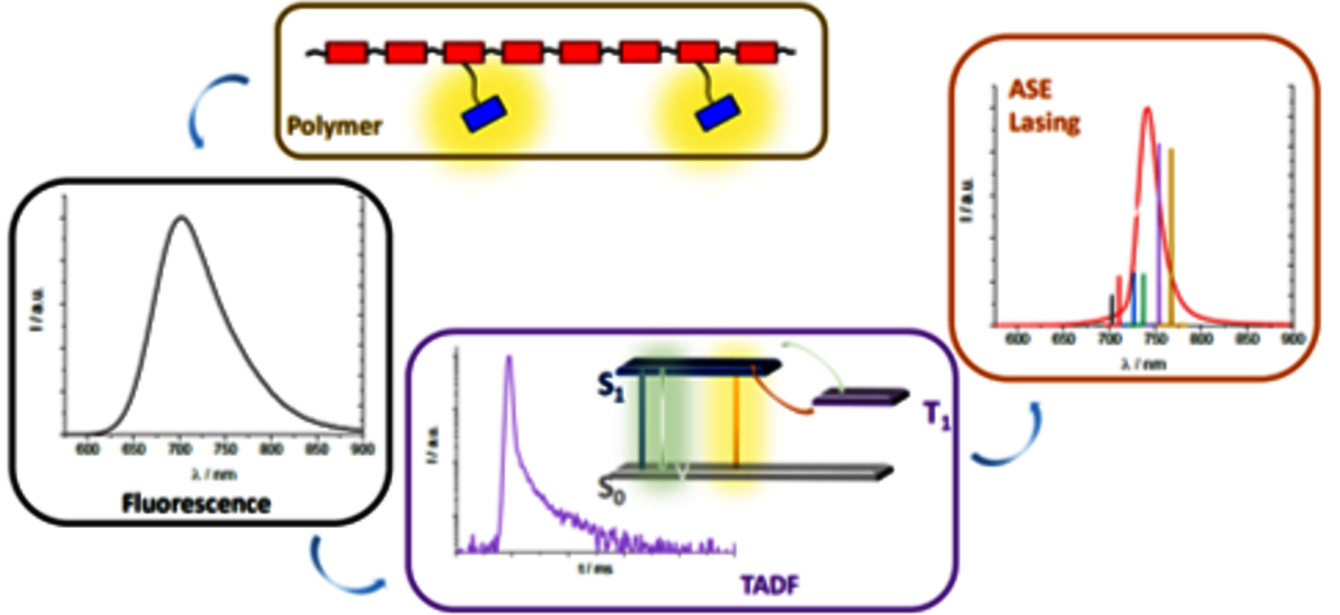
We aim at synthesizing and studying polymers containing curcuminoid borondifluoride (CurcBF2) for applications in organic electronics. These polymers will present thermally activated delayed fluorescence (TADF) properties allowing to recycle triplet into singlet excited states. Such properties are not common and are expected to lead to a technological breakthrough in organic laser diode application.
While TADF properties will be provided by the CurcBF2 moiety, the polymer structure will allow to control the aggregation of the dyes by choosing the quantity of the CurcBF2 entity relative to the other monomer. Such control is not possible to be achieved with small molecule in blend since CurcBF2 tend to form dimeric aggregates. This work will therefore permit to unravel the spin-orbit component of TADF mechanism. Our strategy also aims at improving the morphological stability which constitutes a prerequisite for industrial use.
Catalytic Localism in Layer-by-Layer Composite
Project acronym : CATLOC
PhD Supervisors : N. Keller & O. Felix
PhD student : Treesa Stephen
Laboratory : ICPEES & ICS
Starting date : October 2023
Summary:
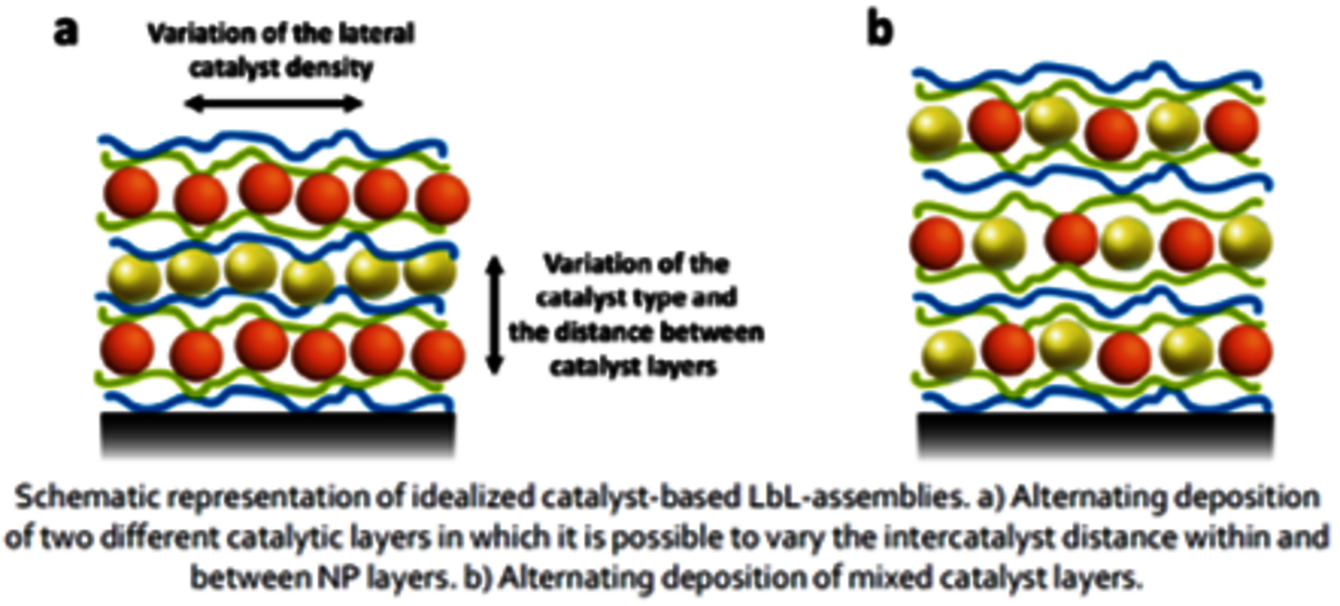
Water treatment is a priority health issue that scientists must address, as treatments in place to date fail to flush a wide span of high-concern biorecalcitrant organic pollutants, antibiotics in particular. Among high-prospect AOPs, H2O2-driven photo-CWPO catalysis can yield full mineralization of refractory compounds in water at high reaction rates under solar light. However, it still faces a limited perspective for technological deployment due to the necessary external use of costly, non-sustainable H2O2 as oxidant. Based on the concept of catalytic localism, we aim at designing catalytic architectures that embark solar light active catalysts allowing in-situ H2O2 synthesis from H2O and O2 and further usage. They will be built by layer-by layer self-assembly to control the spatial positioning of both catalysts, using organic and inorganic polyelectrolytes. We finally aim at validating their use on non-pathogenic multi-species bacterial biofilms used as sentinels of water quality.
Project acronym : UNIVERSTED
PhD Supervisors : Dr HDR Jean-Pierre Malval / Dr Hélène CHaumeil
PhD student : Aissa Id Boualim
Laboratory : Institut de Science des Matériaux de Mulhouse (IS2M), Mulhouse / Laboratoire d'Innovation Moléculaire et Applications, Mulhouse
Starting date : October 2022
Research team's webpage
Summary:
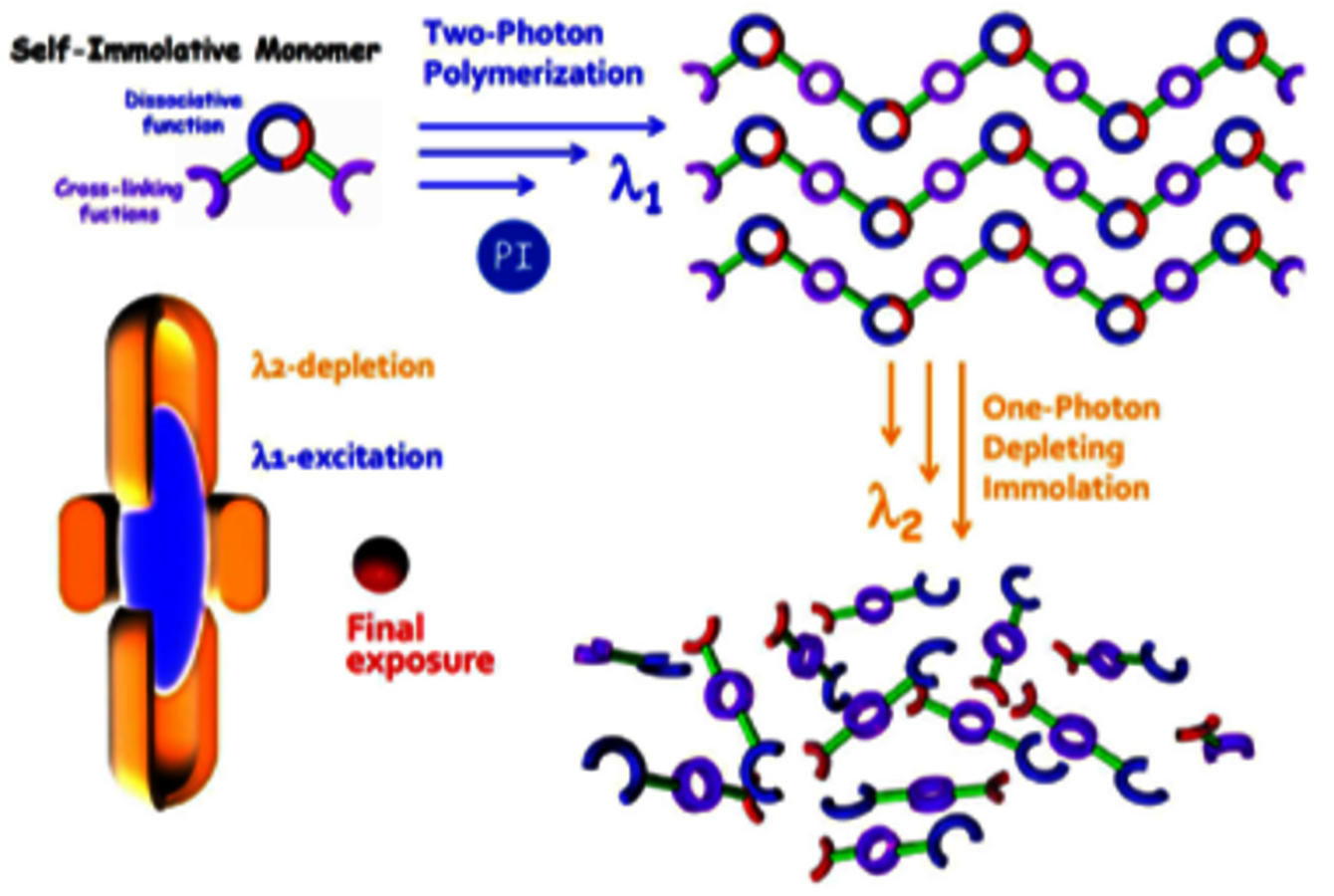
In order to circumvent the real scarcity of photoinitiators suitable for STED-like multiphoton lithography, the UNIVERSTED project proposes an alternative strategy which will rehabilitate the use of any two-photon active photoinitiator. Our approach which has never been developed to date, will not focus on activation/deactivation of the photoinitiator reactivity but on construction/deconstruction of the photopolymerisable resin. For this purpose, a new generation of bi-functional monomers integrating both photocleavable and crosslinking groups will be elaborated. The implementation of these functions should guarantee a specific photo activation upon two distinctive excitation wavelengths. Therefore, these smart materials can growth and/or ‘self-immolate’ through a STED-like approach using non specific two-photon active photoinitiators.
Project acronym : SUPERCLASS
PhD Supervisors : Dr HDR Manuel Flury / Dr Matthias Pauly
PhD Student : Farid Mahfoud
Laboratory : ICUBE, Strasbourg / Institut Charles Sadron, Strasbourg
Starting date : October 2022
Research team's webpage
Summary:
Metamaterials are nanostructures with subwavelength dimensions that allow light to be controlled in unprecedented ways. These materials can be prepared by self-assembly of nanoparticles, and the resulting optical properties depend not only on those of the individual building blocks, but mainly on interactions between them. The challenge is thus to measure light interaction with the nanostructures at the micro/nano scale in order to tune the macroscopic far-field response.
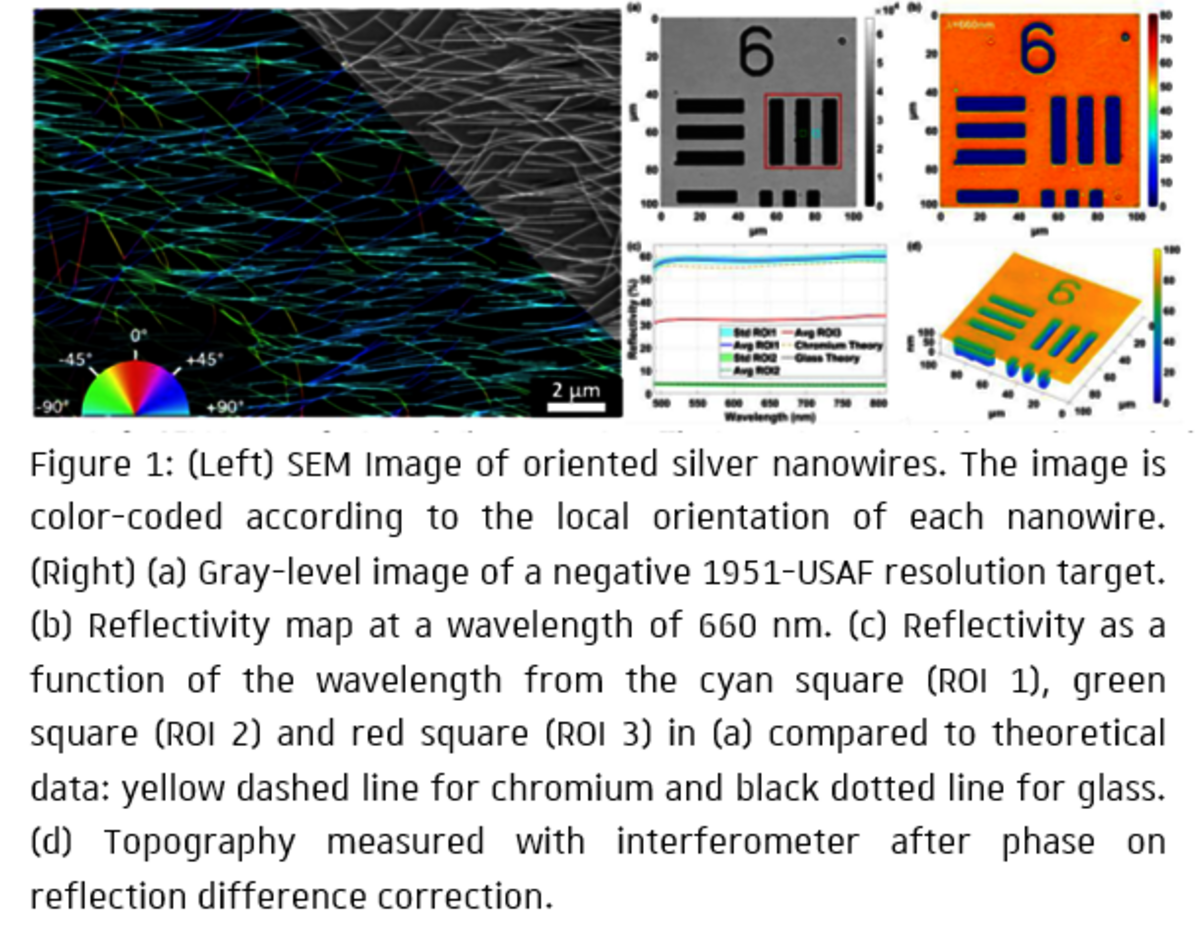
The SUPERCLASS project consists in investigating the optical properties of oriented silver nanowire films as function of light polarization and sample deformation. Polarization-dependent 2D Spectral maps will first be measured using white light interference microscopy. Then, super-resolved local spectroscopy using a microsphere will be developed to improve the lateral spatial resolution below the micrometre scale. This experimental data will be compared to rigorous electromagnetic simulations to obtain a better understanding at various scales.
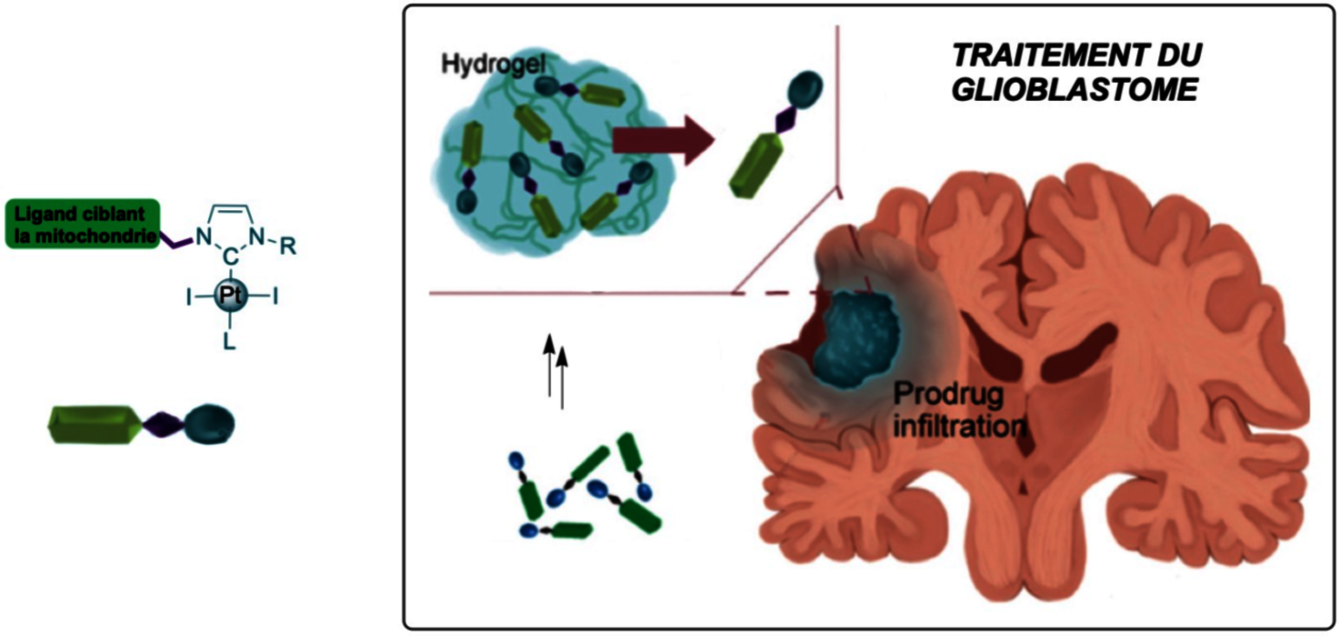
Hydrogels pour une libération localisée de complexes NHC-platine ciblant la mitochondrie pour combattre le glioblastome
Project acronym: Hydro-NHC
PhD Supervisors: Béatrice Heurtault & Stéphane Bellemin-Laponnaz
PhD Student: Patricia Fernandez De Larrinoa
Laboratory: LCAMB & IPCMS
Starting date: October 2021
Summary:
The main objective of the Hydro-NHC project is to develop solutions that can simultaneously eradicate cancer cells and cancer stem cells (CSC) from glioblastoma, by applying localized treatment. To address this issue and on the basis of our previous results and hypotheses, we propose to develop organometallic complexes of type metallo-carbene -based on platinum- which induce mitochondria-dependent apoptosis in malignant cells. These complexes will then be formulated and integrated into biocompatible hydrogels based on albumin or hyaluronic acid, allowing prolonged local administration of the therapeutic agent in the heart of the malignant tissue, avoiding the need to cross the blood-brain barrier (BBB).
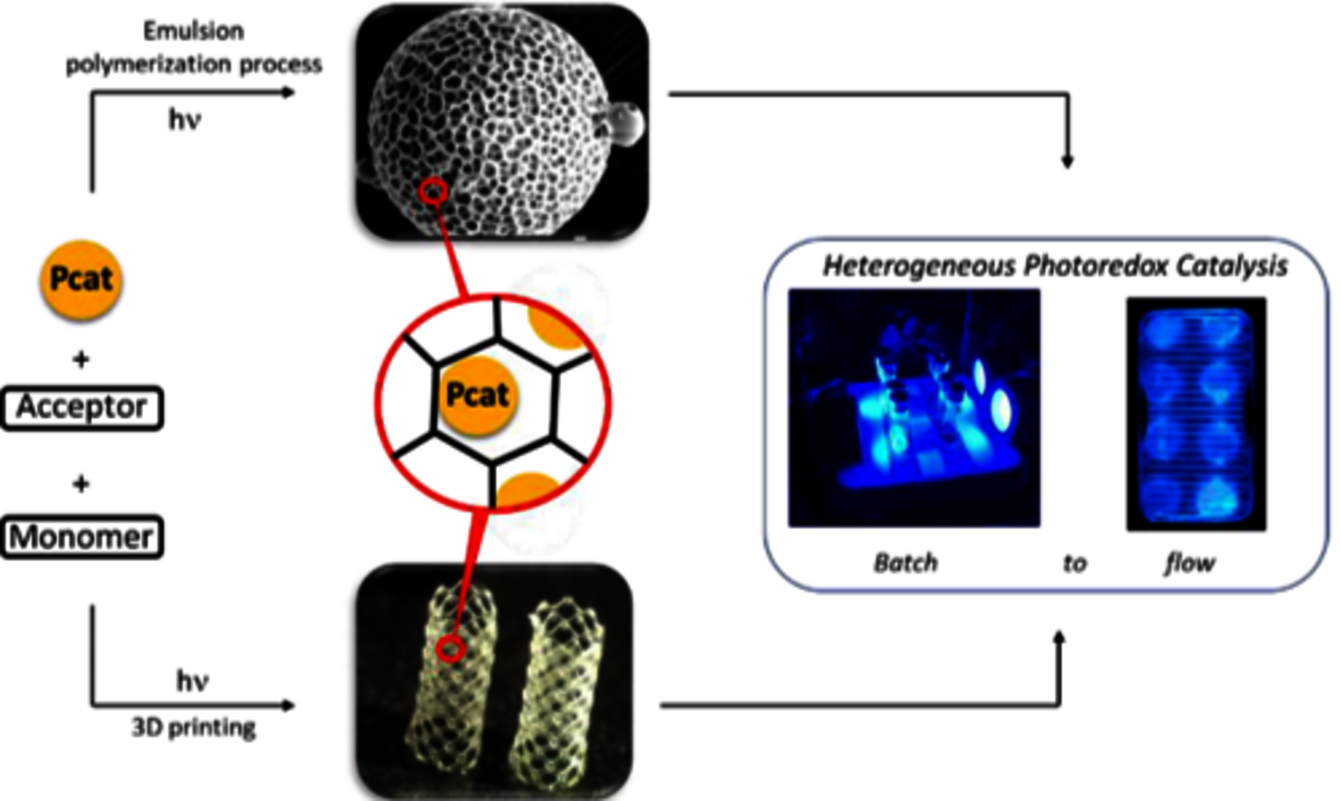
3D Printed Monoliths and Porous Particles by Photocatalyzed Polymerization for Heterogeneous Catalysis
Project acronym: PhotoCat
PhD Supervisors: Abraham Chemtob & Morgan Cormier
PhD Student: Cloé Delacourt
Laboratory: IS2M & LIMA
Starting date: October 2021
Summary:
Supported catalysts are the major class of catalysts used in industry. With the advent of eco-efficient photoredox catalysis processes, there is a need for a new set of photocatalyst supports. PhotoCat project aims at preparing a new generation of precisely shaped porous polymer supports embedding non-toxic organic dyes. This project combines the competences of IS2M in photopolymerization and LIMA in heterogeneous photocatalysis. To ease synthesis, a photocatalyzed radical polymerization is carried out, thus avoiding the need for an initiator and resulting in the single-step preparation of the support and the physical trapping of the photocatalyst. Precise shaping of the support in the form of monoliths or particles are made possible by 3D printing and emulsion polymerization techniques. Control of porosity from micro- to macro scale is ensured by external porogens via templating or phase separation effect. These new heterogeneous photocatalysts are evaluated for model organic transformations (Aza-Henry reaction, [2+2] cyclization of dienone, 1O2photosensitization-oxidation) in batch and flow photoreactors